What to Bring and Wear on a Snorkeling Tour in Costa Rica
- Published
- 5 min read
Packing for a snorkeling tour is simple, but forgetting one small thing – sunscreen, cash for parking, or shoes for a rocky entry – can make the day less comfortable than it should be. This guide covers exactly what to bring and wear for snorkeling in Costa Rica, with specific tips for our tour at the white sand beach near Jaco.
The Quick Packing List
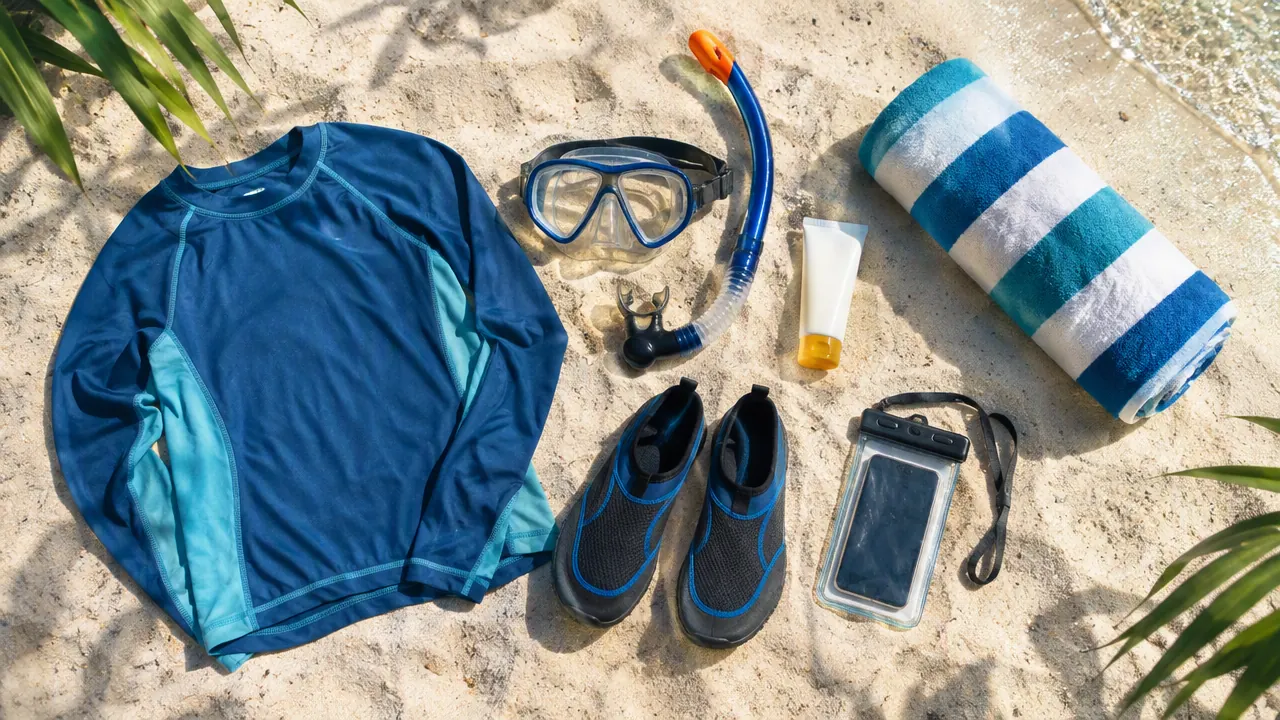
If you only read one section, make it this one:
- Swimsuit (wear it under your clothes)
- Rash guard or long-sleeve swim shirt
- Reef-safe sunscreen
- Towel
- Water shoes or sandals
- Change of clothes and a plastic bag for wet items
- Cash for parking and bathrooms
- Reusable water bottle
- Underwater phone case or action camera (optional)
- Hat and sunglasses for the beach
- Any personal medication
What to Wear
A swimsuit you can move in
Choose a swimsuit that stays in place when you swim and kick. Wear it under your clothes when you arrive – there are no public changing rooms at the beach, and paid bathroom access costs $2 per person.
A rash guard instead of more sunscreen
When you snorkel, your back and the backs of your legs face the sun for the whole tour. That's where most snorkelers get burned. A rash guard or a light long-sleeve swim shirt protects you better than sunscreen, doesn't wash off, and is kinder to the reef. Board shorts or swim leggings help protect your legs.
No wetsuit needed
The water on Costa Rica's Pacific coast is warm all year. You don't need a wetsuit for warmth, although a thin one or a "shorty" can be nice if you feel cold easily.
Sun Protection: Choose Reef-Safe
Costa Rica's sun is strong, even on cloudy days. Protect yourself and the reef:
- Use a mineral sunscreen with non-nano zinc oxide or titanium dioxide. Avoid sunscreens with oxybenzone and octinoxate, which are linked to coral damage.
- Apply it at least 15–20 minutes before you get in the water so it absorbs and doesn't float off as a film on the surface.
- Don't forget your ears, neck, the backs of your knees and your feet.
- Reapply after the tour before you sit on the beach.
The easiest reef-safe option is simply to cover up with clothing and use sunscreen only on exposed areas.
Footwear
The walk from the parking area to the water and some entry points can be hot or uneven. Bring:
- Water shoes or reef sandals that stay on your feet in the water, or
- Flip-flops or sandals for the beach, if you'll be wearing fins.
Never stand on coral – it's alive and easily damaged, and it can cut your feet. Your guide will show you the sandy areas where it's safe to stand.
Snorkel Gear: Bring It or Use Ours?
Our tour includes a snorkel mask and snorkel.
- Your own mask if you have one that fits well, or need a prescription mask.
- Defog – a drop of baby shampoo or commercial defog solution keeps your mask clear. Your guide can help with this too.
Tip for beards and mustaches: facial hair can stop a mask from sealing. A little petroleum-free balm on the mustache area helps.
Cash You'll Need
Even though you book the tour on WhatsApp, bring some cash in small bills for extra costs at the beach:
- Parking: free public parking is usually available early in the morning; private beach parking costs $40, and a secure lot with a shuttle costs $10.
- Bathrooms: $2 per person.
- Tips for your guide, if you enjoyed the tour (optional).
Cameras and Phones
Want photos of the fish? You have a few options:
- Waterproof phone pouch – cheap and easy, though touchscreen use underwater is limited.
- Action camera (GoPro or similar) with a floating handle so it can't sink.
- Leave it on the beach and enjoy the moment.
Keep valuables to a minimum. Leave passports and expensive jewelry at your hotel.
Water and Snacks
Bring a reusable bottle of water – you'll be in the sun and the salt water makes you thirsty. Avoid a heavy meal right before snorkeling.
Health and Comfort
- Seasickness: not a concern on our tour, because you walk in from the beach – no boat.
- Contact lenses: fine to wear under a mask, but keep your eyes closed if water gets in. Bring a spare pair.
- Medication: bring anything you might need, such as an inhaler. Tell your guide about any medical conditions before you start.
- Ears: swimmer's ear drops can help if you're prone to ear infections.
What to Leave Behind
- Expensive jewelry (it can slip off in the water)
- Non-reef-safe sunscreen or spray tanning products
- Food for the fish – feeding wildlife is harmful and not allowed
- Large bags you'll need to carry along the beach
For Families with Kids
If you're bringing children, add:
- A kids' rash guard and hat
- Snacks and extra water
- A dry, warm layer for after the swim
- Their favorite floating toy for the shallows (only if your guide says it's fine)
See our full guide to snorkeling with kids in Jaco.
Ready to Go?
With a swimsuit, a rash guard, reef-safe sunscreen, water shoes and some cash, you're ready for snorkeling near Jaco Beach. Check the best time to snorkel in Jaco, get directions to the meeting point, and then book your snorkeling tour in Jaco.
FAQ
Do I need to bring my own snorkel gear? No. A mask and snorkel are included in our tour.
What should I wear snorkeling in Costa Rica? A swimsuit with a rash guard or long-sleeve swim shirt, plus water shoes or sandals. No wetsuit is needed because the water is warm.
What sunscreen is reef-safe? Mineral sunscreens with non-nano zinc oxide or titanium dioxide, without oxybenzone or octinoxate. Covering up with a rash guard is the most reef-friendly option.
Do I need cash on the tour day? Yes, bring small bills for parking ($0–$40), bathroom access ($2 per person) and optional tips.
Can I bring my phone? Yes, but use a waterproof case or leave it on the beach. Keep valuables to a minimum.