Is Snorkeling in Jaco Safe? Currents, Tides and Tips for Beginners
- Published
- 5 min read
Jaco Beach is famous for its surf, and anyone who has watched the waves there might wonder whether snorkeling nearby is a good idea. The short answer: snorkeling at the right spot, in the right conditions and with a guide is a safe activity for most people, including beginners. Snorkeling in the open surf at Jaco Beach itself is not.
This guide explains the real risks – currents, waves, tides and marine life – and how to manage them.
Jaco Beach vs the White Sand Beach
It's important to separate two very different places:
- Jaco Beach is a long, open, dark sand surf beach. It has waves, shifting sandbars and rip currents. It's great for surfing, not for snorkeling.
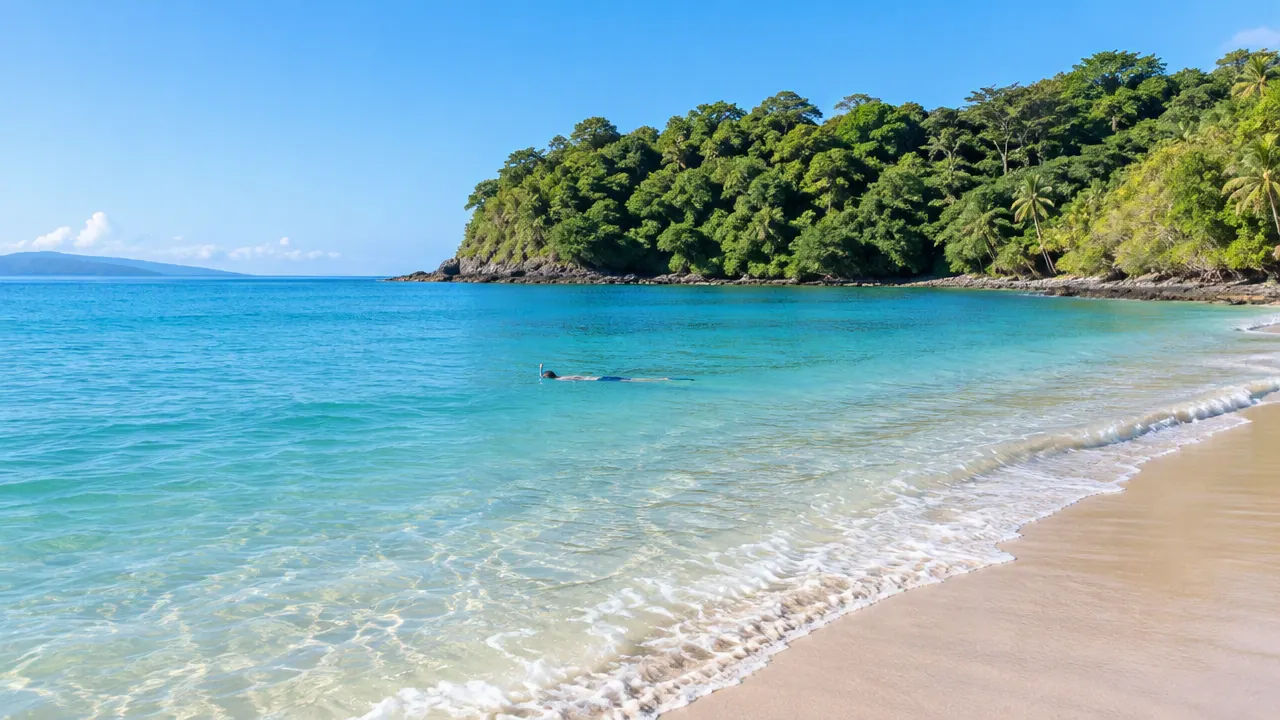
- The white sand beach about 25 minutes north of Jaco, where our tour runs, is a more sheltered spot with a shallow reef. The water is often calm, with walkable areas and a maximum reef depth of about 8–10 feet (2.5–3 m).
So when people ask "is snorkeling in Jaco safe?", the honest answer depends on where you go. Choose a sheltered reef, not the surf beach.
Understanding Currents
Rip currents
Rip currents are narrow channels of water flowing away from the shore. They are common on open surf beaches along Costa Rica's Pacific coast. If you're ever caught in one:
- Stay calm and float – it won't pull you under.
- Don't swim straight back against it.
- Swim parallel to the shore until you're out of the current, then swim back in.
- Raise your arm and call for help if you need it.
Currents on the reef
Sheltered reefs usually have gentle water movement, but the tide and swell can still create light currents. Your guide checks the water before every tour and chooses the route and direction accordingly.
Tides and Why They Matter
The Pacific coast of Costa Rica has big tidal changes. The tide affects:
- Depth over the reef – too low, and you risk touching the coral; too high, and the water can move more.
- Water clarity – the moving water can stir up sand.
- Where it's safe to enter and exit.
We plan tour times around the tide and suggest the best slot when you book.
Waves and Swell
Big swells from storms far out in the Pacific occasionally reach the coast, even on sunny days. Large swell makes the water rougher and cloudier. If the swell is too big for a safe, enjoyable tour, we'll reschedule. See our cancellation policy.
Marine Life: What's Actually Dangerous?
Most of what you'll see on the reef is harmless and more interested in hiding from you than anything else. A few things to know:
- Coral and rocks – the most common cause of small cuts. Don't touch or stand on the reef.
- Sea urchins – spiny and painful if you step on them. Wear water shoes and stand only on sand.
- Stingrays – rest on sandy bottoms. Shuffle your feet when walking in the sand so they swim away.
- Jellyfish – occasionally present. A rash guard helps protect your skin. Tell your guide if you feel a sting.
- Sharks – sightings are very rare near the shore, and the species found near coasts are generally not a threat to snorkelers.
The golden rule: look, don't touch.
Sun and Heat
For many visitors, the biggest real risk is sunburn and dehydration, not the ocean. Wear a rash guard, use reef-safe sunscreen, drink water before and after the tour, and wear a hat on the beach. See our packing list.
Safety Tips for Beginners
- Snorkel with a guide or buddy. Never snorkel alone.
- Practice in the shallows first. Get used to breathing through the snorkel where you can stand.
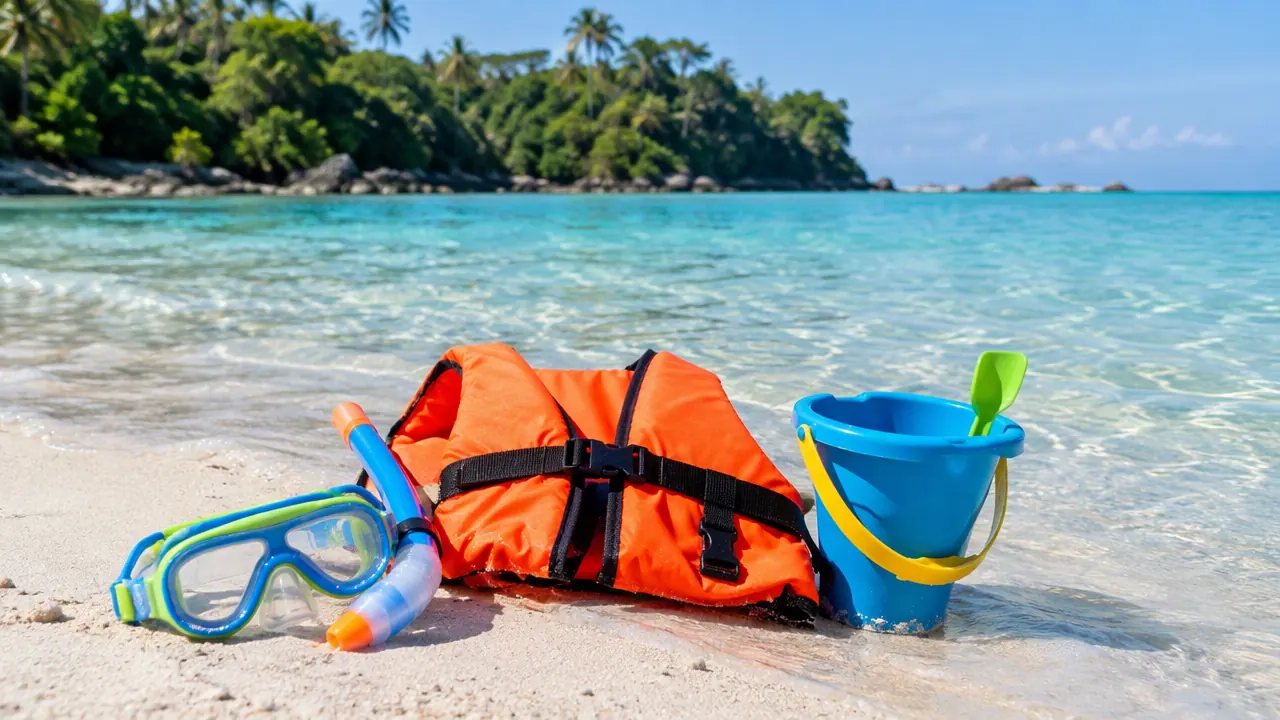
- Use flotation if you need it.
- Relax and breathe slowly. Panic usually starts with fast breathing. Slow, deep breaths keep you calm.
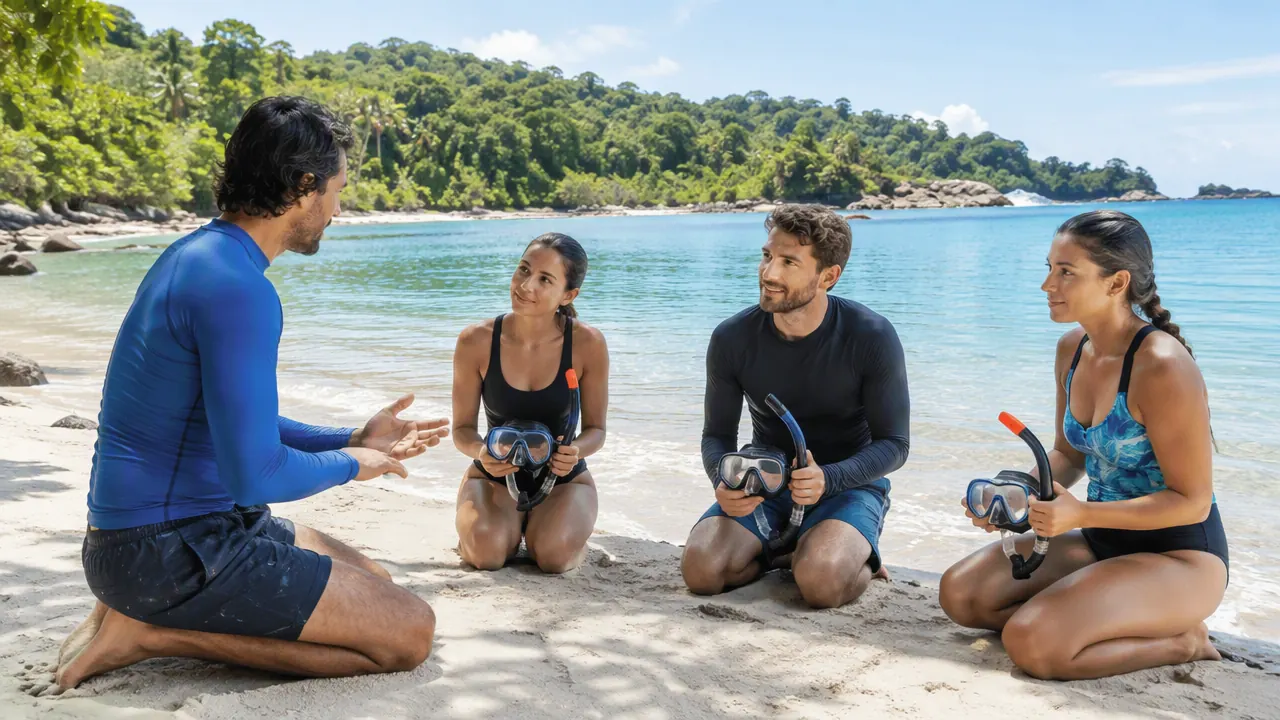
- Learn to clear your mask and snorkel. Your guide will show you how.
- Know your limits. If you feel tired or cold, signal your guide and head back.
- Tell your guide about any health conditions, such as asthma, heart problems or recent surgery.
- Don't drink alcohol before snorkeling.
How We Keep Our Tours Safe
- Every tour starts with a safety briefing and a short lesson.
- Your guide stays in the water with the group for the full 1.5 hours.
- We check the conditions before each tour, and reschedule if they aren't safe. Small groups mean the guide can watch everyone.
Guests need to be able to swim or feel comfortable in the water. If you're unsure, message us before booking and we'll talk it through.
Is It Safe for Kids?
Yes, when children are comfortable in the water and supervised by an adult. The shallow, walkable areas at the white sand beach make it a gentle introduction.
The Bottom Line
Snorkeling near Jaco is safe for most people when you choose a sheltered reef, go in good conditions and stay with a guide. That's exactly why we run our snorkeling tour in Jaco at the white sand beach rather than on the surf beach. First time? Read is snorkeling in Jaco good for beginners.
FAQ
Can you snorkel at Jaco Beach itself? It isn't recommended. Jaco Beach is an open surf beach with waves and rip currents. Sheltered spots like the white sand beach to the north are much better.
Are there rip currents where the tour runs? The white sand beach is more sheltered than Jaco Beach, but the ocean always changes. Your guide checks the conditions and chooses a safe route before every tour.
Do I need to be a strong swimmer? You need to be able to swim or feel comfortable in the water. There are shallow, walkable areas, and your guide stays with you.
Are there sharks near Jaco? Shark sightings near the shore are very rare, and coastal species are generally not a threat to snorkelers.
What happens if conditions are unsafe? We contact you on WhatsApp to move your tour to another time or day.