Sea Turtles, Rays and Tropical Fish You May See Near Jaco
- Published
- 5 min read
The Pacific coast of Costa Rica is full of marine life. Even a short snorkel on a shallow reef near Jaco can reveal dozens of fish species, and sometimes you'll get a bonus visit from a ray or a sea turtle. This guide introduces the animals you may see, how often you're likely to see them, and how to spot – and respect – them.
A quick reminder before we start: wildlife is wild. No tour can guarantee a sighting, and the best encounters usually happen when you're calm, quiet and patient.
Tropical Reef Fish: Seen on Almost Every Tour
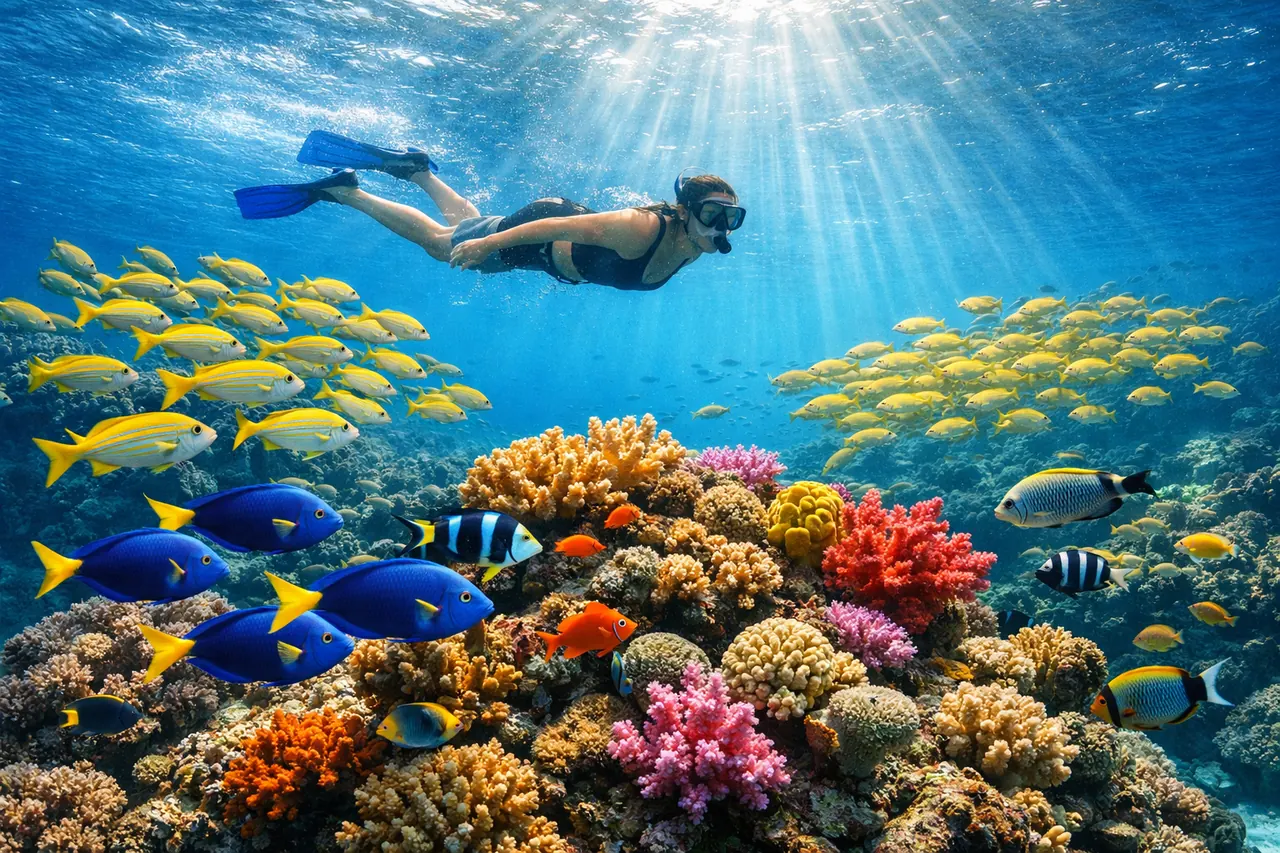
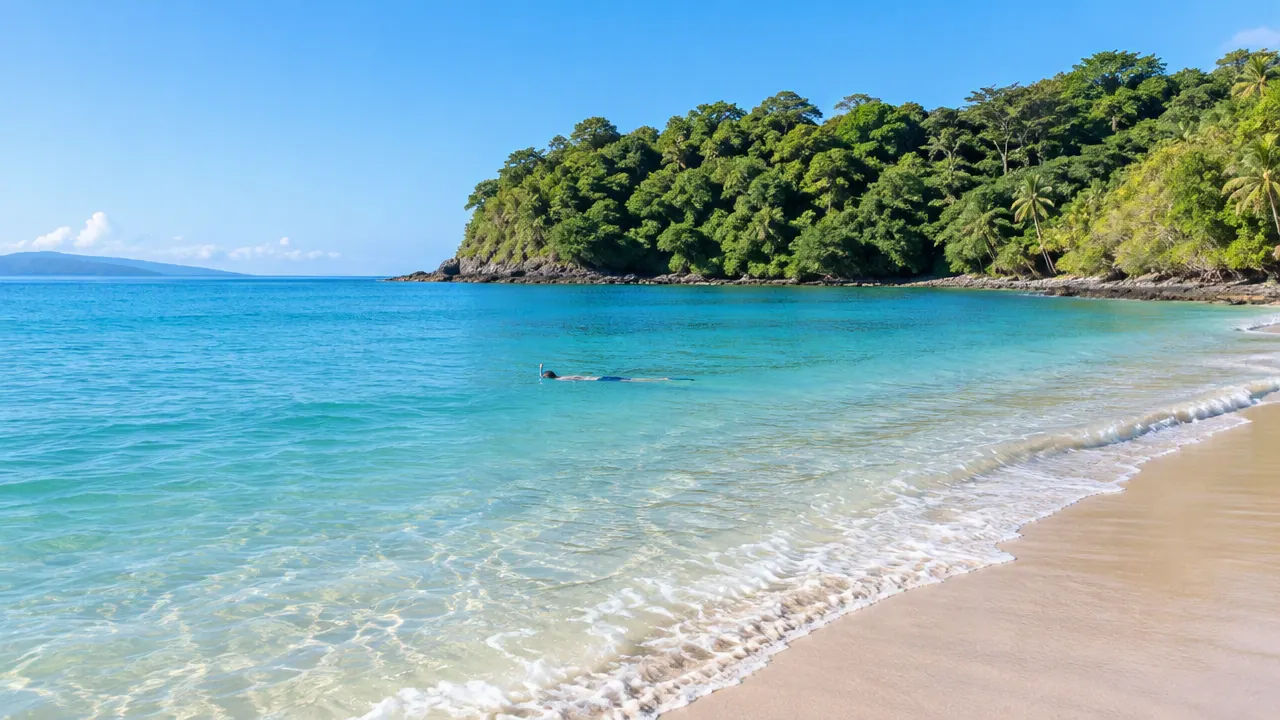
The reef at the white sand beach north of Jaco is home to many colorful fish that live in shallow water. These are the ones you're most likely to see. For a full species list, read what fish can you see snorkeling in Jaco.
Parrotfish
Big, bright and easy to spot. Parrotfish scrape algae off rocks and coral with their beak-like teeth – sometimes you can even hear them crunching. They play an important role in keeping the reef healthy.
Sergeant majors
Small fish with bold yellow-and-black stripes, usually swimming in groups. They're often the first fish beginners see, and they aren't shy.
Angelfish
Elegant, flat-bodied fish with striking colors. The king angelfish, with its blue body and white stripe, is a classic sight on Central Pacific reefs.
Damselfish
Small and territorial. Some will "chase" your mask if you get too close to their patch of rock – it's harmless and very entertaining.
Pufferfish
A favorite with kids. They have big eyes and slow, wobbly swimming. Never touch or chase a pufferfish: they inflate only when stressed.
Wrasse and butterflyfish
Fast-moving, colorful fish that dart around the reef, often in small groups.
Moorish idols
Recognizable by their long, flowing dorsal fin and black, white and yellow bands.
Rays: Occasional Visitors
Rays are often seen resting on sandy bottoms or gliding along the reef edge. Species found along Costa Rica's Pacific coast include:
- Stingrays – rest half-buried in the sand. Shuffle your feet when walking in sandy water so they can swim away before you step close.
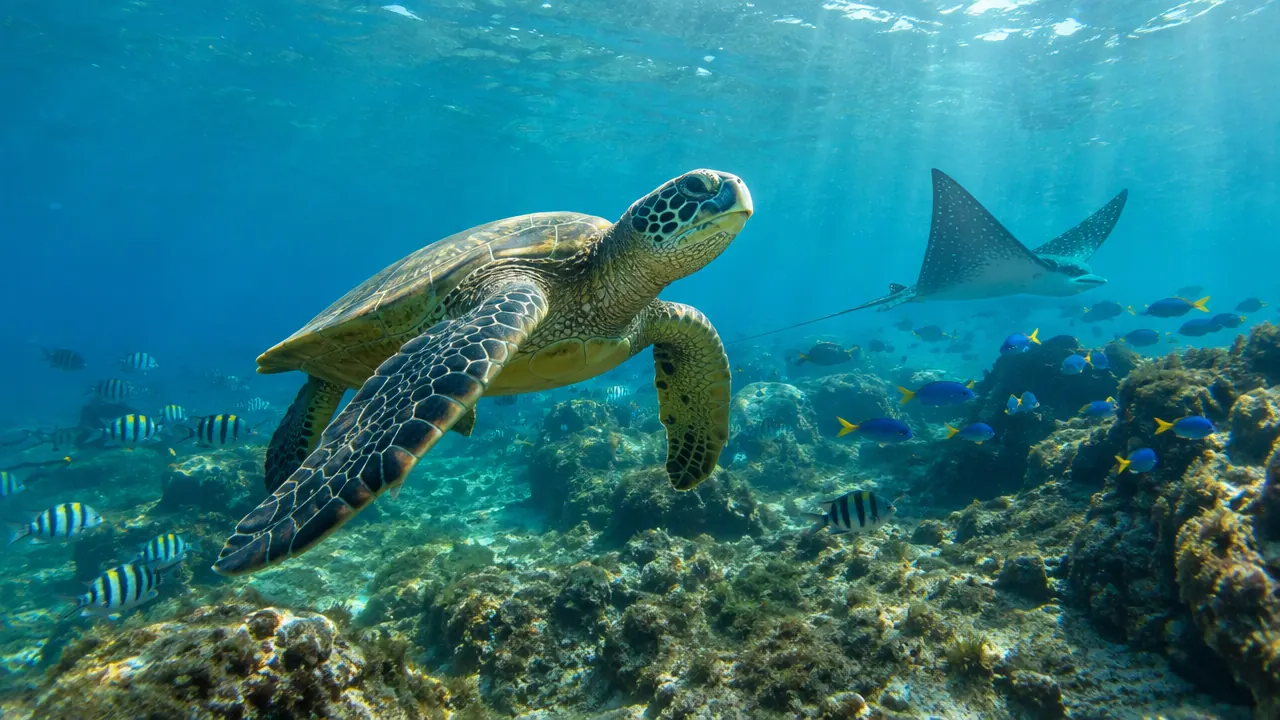
- Spotted eagle rays – beautiful rays with white spots that "fly" through the water, usually in deeper areas.
Rays are gentle and shy. Watch them from above and give them space.
Sea Turtles: A Rare Bonus
Costa Rica is one of the world's most important countries for sea turtles. Several species live along its Pacific coast, including:
- Olive ridley turtles – the most common sea turtle on the Pacific coast, famous for mass nesting events at some beaches.
- Green turtles (including the Pacific black turtle) – feed on seagrass and algae.
- Hawksbill turtles – critically endangered, with a beautiful patterned shell. They feed around reefs.
Seeing a turtle while snorkeling near Jaco is a special moment rather than an everyday event.
Turtle etiquette
- Stay at least a few meters away.
- Never touch, ride or chase a turtle.
- Don't block its path to the surface – turtles need to breathe.
- Enjoy the moment, take a photo without flash, and let it swim on.
Other Creatures to Look For
- Moray eels – often hide in cracks with only their heads showing. Look, but keep your hands away.
- Sea urchins – spiny black urchins sit on rocks. Don't step on them.
- Starfish – sometimes seen in sandy or rocky areas.
- Octopus – masters of camouflage. Spotting one is a real treat.
- Hermit crabs – in the shallows and on the beach.
Life Above the Water
The marine life isn't the only wildlife on this tour. Monkeys are often seen in the trees along the white sand beach, and you may spot pelicans, frigatebirds, iguanas and colorful crabs. Keep your camera handy between swims.
How to See More Marine Life
- Float quietly. Splashing and fast kicking scare fish away. Move slowly.
- Look in the cracks. Eels, octopus and small fish hide in the rocks.
- Scan the sand. Rays often rest in sandy patches near the reef.
- Go in the morning. Calmer water usually means better visibility. See the best time to snorkel in Jaco.
- Follow your guide. Local guides know where animals tend to hang out.
Protecting the Reef and Its Animals
The animals on this reef are part of a fragile ecosystem. Help protect them:
- Don't touch, stand on or collect coral, shells or animals.
- Never feed fish – it changes their behavior and harms their health.
- Use reef-safe sunscreen or wear a rash guard.
- Keep a respectful distance from turtles and rays.
Read more about staying safe around marine life in is snorkeling in Jaco safe?.
See Them for Yourself
A calm, shallow reef, colorful fish on every tour and the chance of a ray or turtle make the white sand beach one of the best spots for snorkeling near Jaco Beach. Book your snorkeling tour in Jaco and see what the reef has to show you.
FAQ
Will I see sea turtles snorkeling near Jaco? It's possible but not guaranteed. Turtles are an occasional bonus sighting.
Are the rays dangerous? Rays are shy and gentle. Stingrays can sting only in self-defense if stepped on, so shuffle your feet in sandy areas and don't touch them.
What fish will I definitely see? Common reef fish such as parrotfish, sergeant majors, damselfish and angelfish are seen on most tours, but wildlife sightings are never guaranteed.
Can I touch the animals? No. Touching harms the animals and the reef, and some creatures can sting or bite.
When is marine life easiest to see? On calm mornings with good visibility, usually in the dry season (December–April).